The Last Inch of Persuasion: Auditing the Words Around Your Product Page
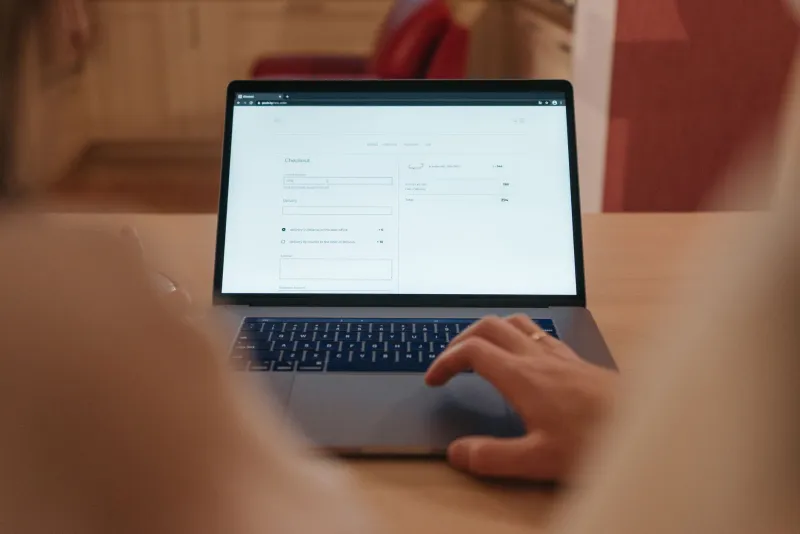
The product page has a main event: the product itself. The photograph, the title, the price. Everything else is support act. Except, of course, it isn't. The words around the buy button are often the difference between a confident click and a tab that quietly closes.
UK shoppers are not unusually suspicious. They are experienced. They have been burned by 'next-day delivery' that arrived on Thursday, 'true to size' that wasn't, and 'peace of mind' guarantees with more exclusions than a wedding seating plan. So they scan the small print for risk. Your job is to answer that scan before it turns into a exit.
This is not about adding more words. It is about auditing the ones already there and asking a simple question of each line: does this settle a doubt, or create one?
Stock messages should reduce uncertainty, not manufacture it
'In stock' is fine. 'Only 2 left!' can work, but only if it is true and only if it is not shouting at everyone on every page. UK buyers have a decent radar for fake scarcity. Use it once and it may nudge. Use it everywhere and it starts to smell like a market stall.
A better stock line does two jobs: it tells the buyer what happens next, and it gives them a reason to believe it.
Instead of: 'Hurry! Almost gone!'
Try: 'In stock now. Orders placed before 2pm on weekdays leave us the same day.'
If stock really is low, say so plainly: 'Low stock: 2 left in this size. We do not hold backorders for sale items.' That is useful. It is also honest about the limitation, which is more reassuring than a countdown timer with no context.
Delivery estimates are a promise with a postcode
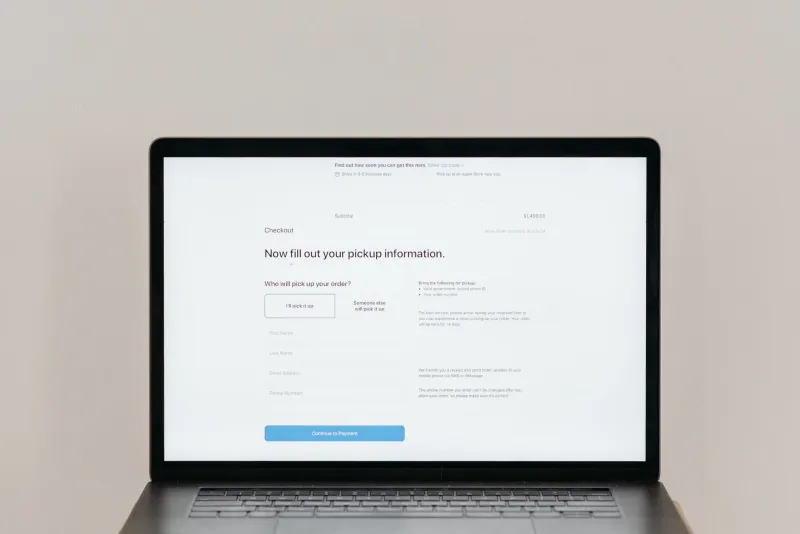
'Free delivery' is a headline, not an answer. The buyer wants to know four things: how much, how soon, how tracked, and what happens if it goes wrong. Put those together near the basket, not buried in a help centre article.
Instead of: 'Fast, free delivery!'
Try: 'Free standard UK delivery on orders over £50. Most arrive in 2–3 working days. We will email a tracked Royal Mail or Evri link when your parcel leaves us.'
If you offer next-day, be specific about the cut-off and the exceptions: 'Order by 1pm Monday–Friday for next-day delivery. Excludes bank holidays and some Scottish Highlands postcodes.' That last clause is not sexy. It is, however, the sort of detail that prevents an angry email and a chargeback.
Seasonal messaging needs the same treatment. Ahead of Black Friday, Christmas or a bank holiday weekend, update the dates. Old delivery copy is a trust leak. A page that promises 'order by 20 December' in January is not just out of date; it tells the buyer nobody is minding the shop.
Sizing notes do more than describe the garment
'True to size' is the most overworked phrase in fashion ecommerce. True to which size? On which body? In which fit? UK sizing already carries enough baggage without vague reassurance.
A useful sizing note gives the buyer something to compare against. Model height, size worn, fit description, and a clear instruction for the in-betweeners.
Instead of: 'Fits true to size. Please check the size guide.'
Try: 'Our model is 5ft 9in and wears a UK 12. This style sits close through the waist. If you are between sizes, go up. Free returns within 30 days, unworn and with tags.'
That last line matters. Sizing doubt is often returns doubt in disguise. If returns are easy, say so next to the size guide. If they are not free, do not imply they are. 'Easy returns' means different things to different people. Spell out the cost and the window.
Guarantees need boundaries to feel real
'Peace of mind' is not a guarantee. It is a mood. A guarantee needs a length, a scope, an exclusion list and a way to claim. Without those, it reads like a phrase borrowed from a brochure.
Instead of: 'Buy with confidence — quality guaranteed.'
Try: 'Two-year guarantee on manufacturing faults. It does not cover accidental damage or normal wear. Email [email protected] with your order number and a photo, and we will reply within two working days. This does not affect your statutory rights.'
That final sentence is particularly useful in the UK. It signals that you know the difference between your promise and the buyer's legal rights. It also stops the guarantee from sounding like an attempt to replace them.
Add-to-basket reassurance should answer the unspoken question
Next to the button, the buyer is often asking one of three things: Is this safe? Can I change my mind? What happens if it is wrong? Your microcopy can answer all three without turning into a terms and conditions page.
'100% secure checkout' is wallpaper. Name the payment methods and explain who handles the data.
Instead of: 'Safe and secure payment.'
Try: 'Pay by card, PayPal or Klarna. Card details are handled by our payment provider — we never see them. Changed your mind? You have 30 days to return unused items.'
Keep it close to the button. Reassurance at the bottom of the page is like a seatbelt in the boot.
A quick product-page microcopy audit
Read the page on a phone, with your thumb hovering over the buy button. Then check each line against this list:
- Does the stock message match the actual inventory data?
- Are delivery cost, cut-off, expected window and tracking explained together?
- Have seasonal delivery dates been updated this week?
- Does the sizing note give measurements, model info and a between-sizes instruction?
- Is the returns policy specific about cost, window and condition?
- Does the guarantee state what is covered, for how long, what is excluded and how to claim?
- Does the basket area name payment methods and data handling plainly?
- Have you removed vague filler such as 'peace of mind', 'simply', 'just' and 'quality guaranteed'?
- Do the claims match what operations and legal can actually stand behind?
- Would a first-time UK buyer know exactly what happens after they click?
The last inch of a product page is not the place for a new brand story. It is the place for precision. Short lines. Real details. No overpromising. The kind of copy that makes the buyer feel they have already been looked after before they have spent a penny.
That is the work. Not more words under the price tag — better ones.